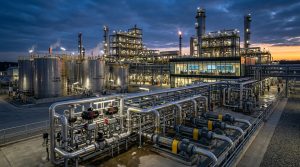
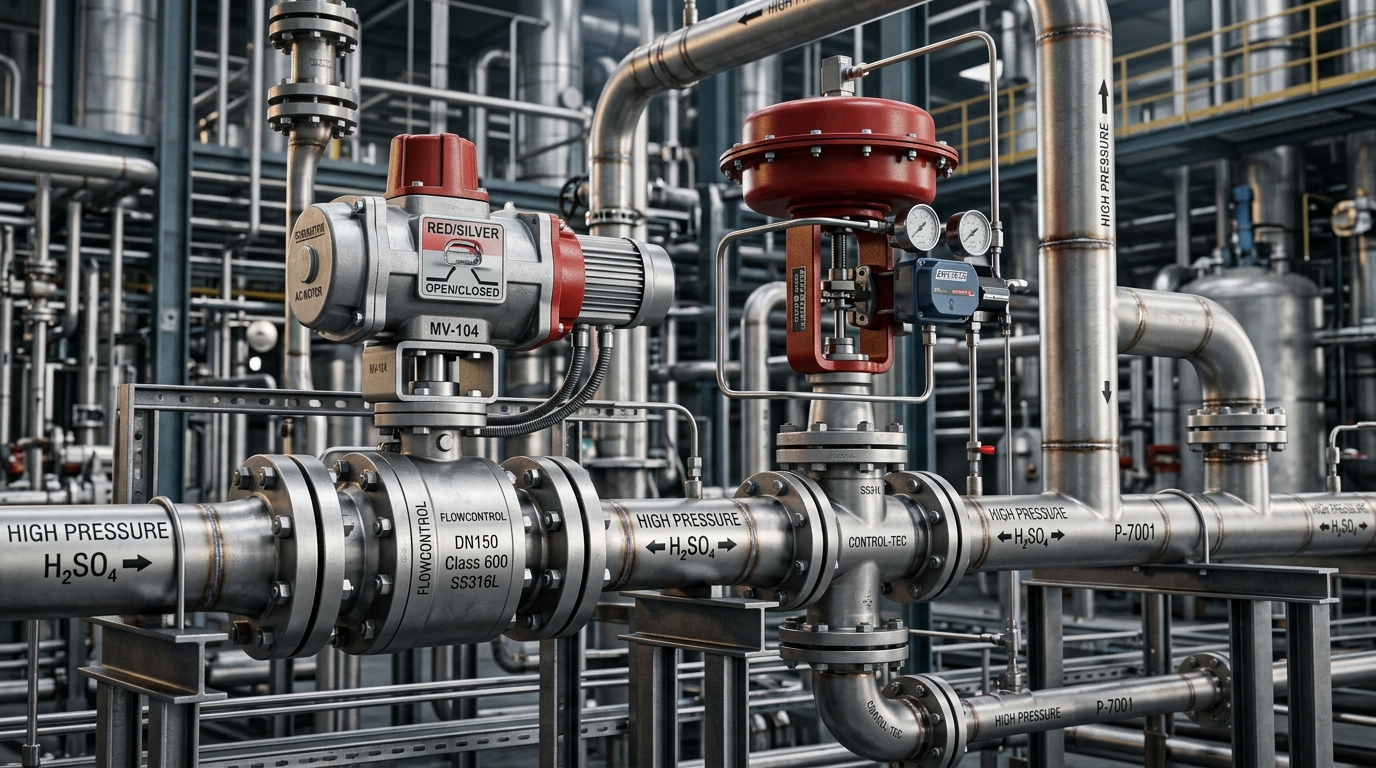
In modern chemical refineries, oil & gas platforms, and pharmaceutical manufacturing facilities, fluid handling systems operate under extreme temperature, aggressive corrosion, and high hydraulic pressures. Selecting the appropriate Industrial Valves and Valve Automation systems is critical to preventing fugitive emissions, preventing catastrophic process downtime, and achieving SIL-certified operational safety.
1. Understanding Core Industrial Valve Classifications
Industrial valves are mechanical devices configured to isolate, regulate, or direct fluid flow. Depending on the mechanical geometry and closure mechanism, industrial valves fall into four primary categories:
- Quarter-Turn Rotary Valves (Ball & Butterfly Valves): Excellent for rapid on/off isolation and automated modulating control. Our Pneumatic and Motorized Ball Valves provide bi-directional zero-leakage sealing up to ASME Class 2500.
- Linear Motion Valves (Gate & Globe Valves): Globe valves offer fine throttling precision for steam and high-pressure gas, whereas Gate valves provide full, unobstructed bore passage with minimum pressure drop (Explore Gate/Globe/Check Valves).
- Corrosion-Resistant Lined Valves: For aggressive acids like Hydrochloric, Sulfuric, and Chlorine gas, PFA and PTFE lined body interiors eliminate metallic contact (Browse Lined Valves Series).
- Thermal Jacketed Valves: Designed with external heating jackets for bitumen, molten sulfur, and resin that solidify if line temperatures drop (Jacketed Ball Valves).
Always match valve body metallurgy with fluid chemistry. While Carbon Steel (WCB) is cost-effective for clean hydrocarbons, austenitic Stainless Steels (SS304/SS316) and Hastelloy-C are mandatory for chlorinated compounds and wet acidic environments.
2. Valve Selection Matrix: Performance Comparison
| Valve Type | Primary Application | Pressure Ratings | Automation Suitability |
|---|---|---|---|
| Ball Valves | Fast On/Off & Tight Shutoff | Class 150 to 2500 | High (Pneumatic / Electric) |
| Globe Control Valves | Precise Modulating Throttling | Class 150 to 1500 | High (Diaphragm Actuators) |
| Triple Offset Butterfly | Large Diameter Zero Leakage | Class 150 to 600 | High (Scotch Yoke / Rack & Pinion) |
| Lined Diaphragm/Plug | Corrosive Acid & Slurry Flow | Class 150 | Medium (Manual / Automated) |
3. The Power of Valve Automation: Pneumatic vs. Motorized Actuators
Integrating valve automation ensures seamless PLC/SCADA connectivity, emergency shutdown (ESD) capability, and consistent batch control. Key actuator configurations include:
- Pneumatic Rack & Pinion Actuators: Ideal for rapid quarter-turn emergency shut-off (under 1 second). Spring-return (single-acting) models guarantee fail-safe open or fail-safe closed states during plant power outages.
- Intelligent Motorized / Electric Actuators: Suited for modulating control where precision 4-20mA positioning feedback, Modbus communication, and high operating torque are required without compressed air infrastructure.
4. System Integration with Plant Safety
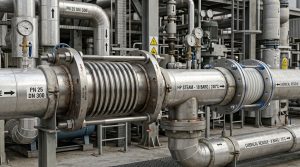
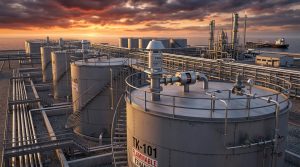
Industrial valves do not work in isolation. Downstream piping systems must be protected against tank overpressure through Storage Tank Protection & Flame Arresters and thermal pipe vibration via Metallic Expansion Bellows.
Looking for Precision Engineered Valves & Valve Automation Systems?
Chemoil Advance Technology manufactures and supplies certified, heavy-duty fluid control and process safety equipment tailored for harsh chemical, petrochemical, and refining operations.